Folding
Fat-tyre folding e-bikes on 20-inch wheels, held in stock and delivered in two to four working days. Each one folds in under a minute, and each one says plainly whether it is legal on a UK road before it tells you the price.
11 bikes
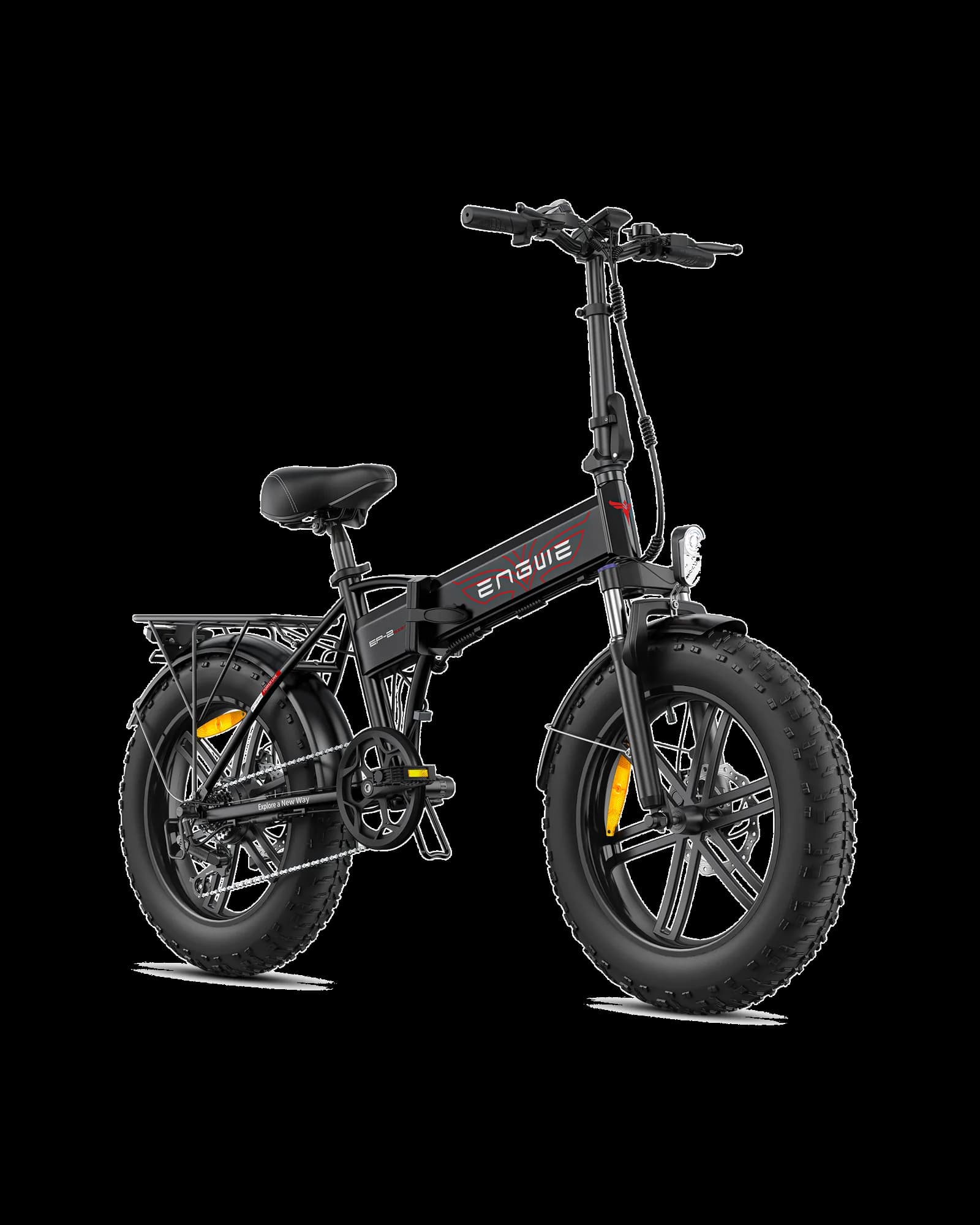 UK road legal
EP-2 Boost
Folding fat-tyre e-bike, road-legal in the UK
£899Available to order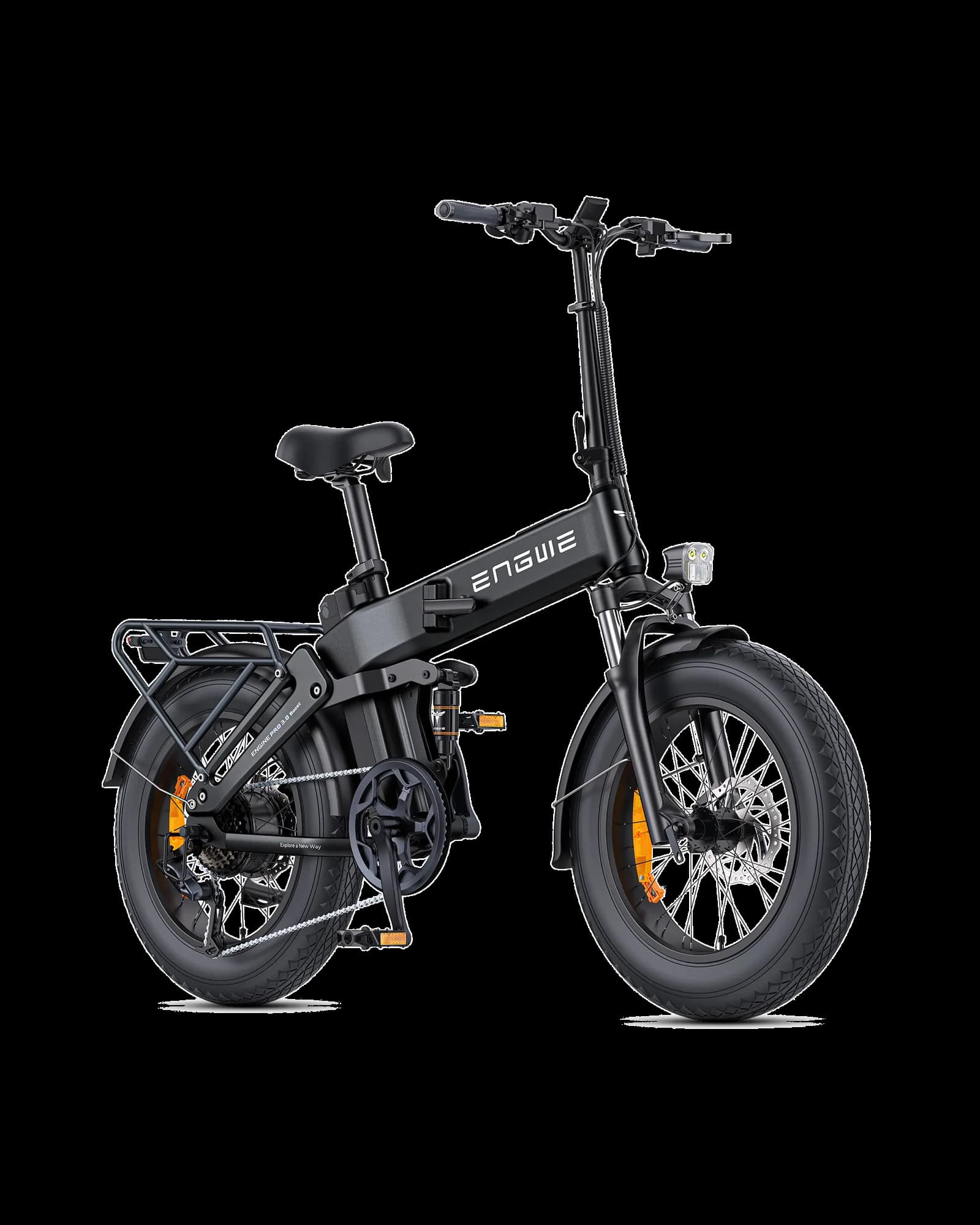 UK road legal
Engine Pro 3.0 Boost
Full-suspension fat-tyre folder — road legal
£1,699Available to order Off-road only
Engine X
Fat-tyre folding e-bike — off-road use only
£1,049Available to order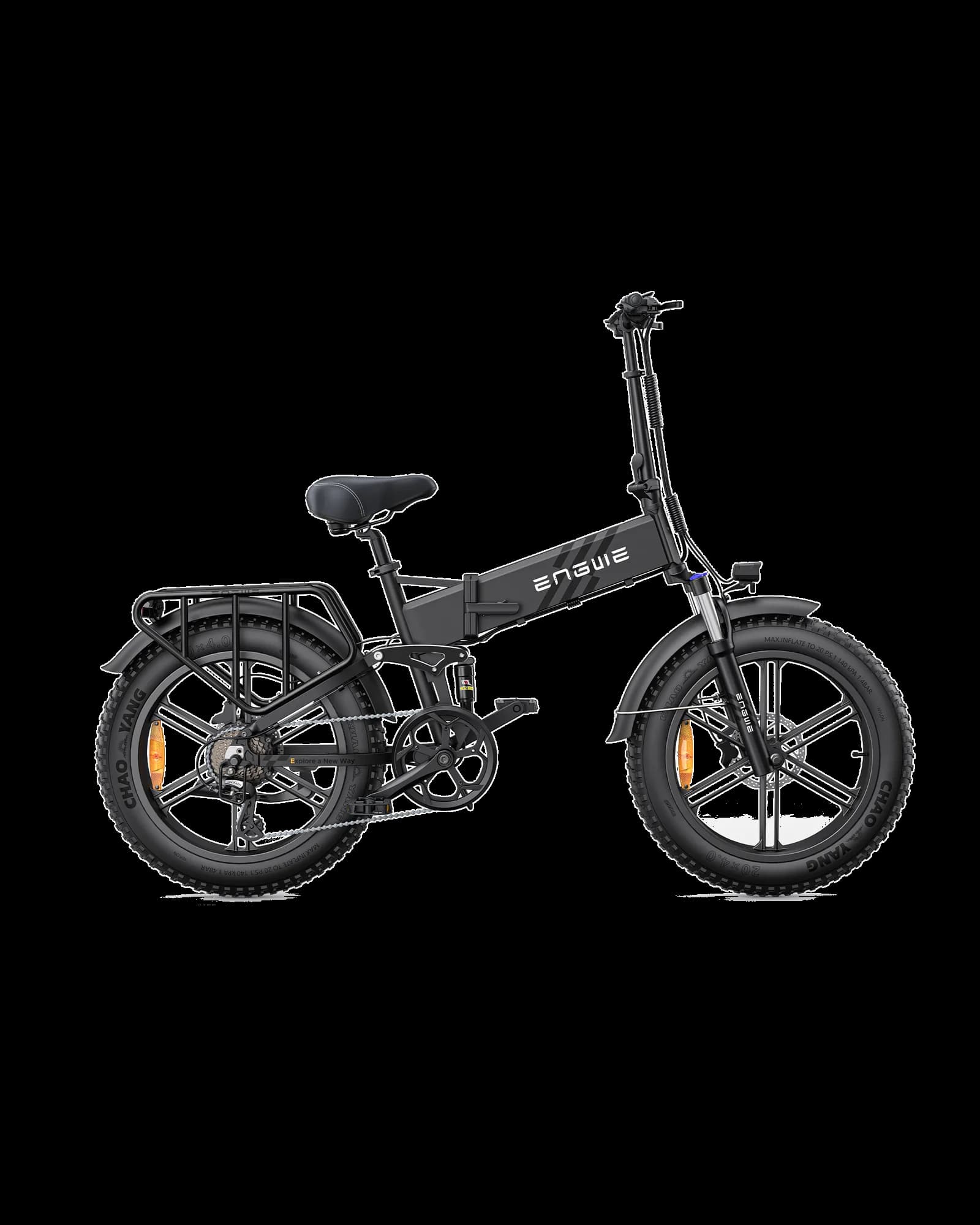 Off-road only
Engine Pro 2.0
52V fat-tyre folding e-bike — off-road use only
Now £1,299Was £1,349Available to order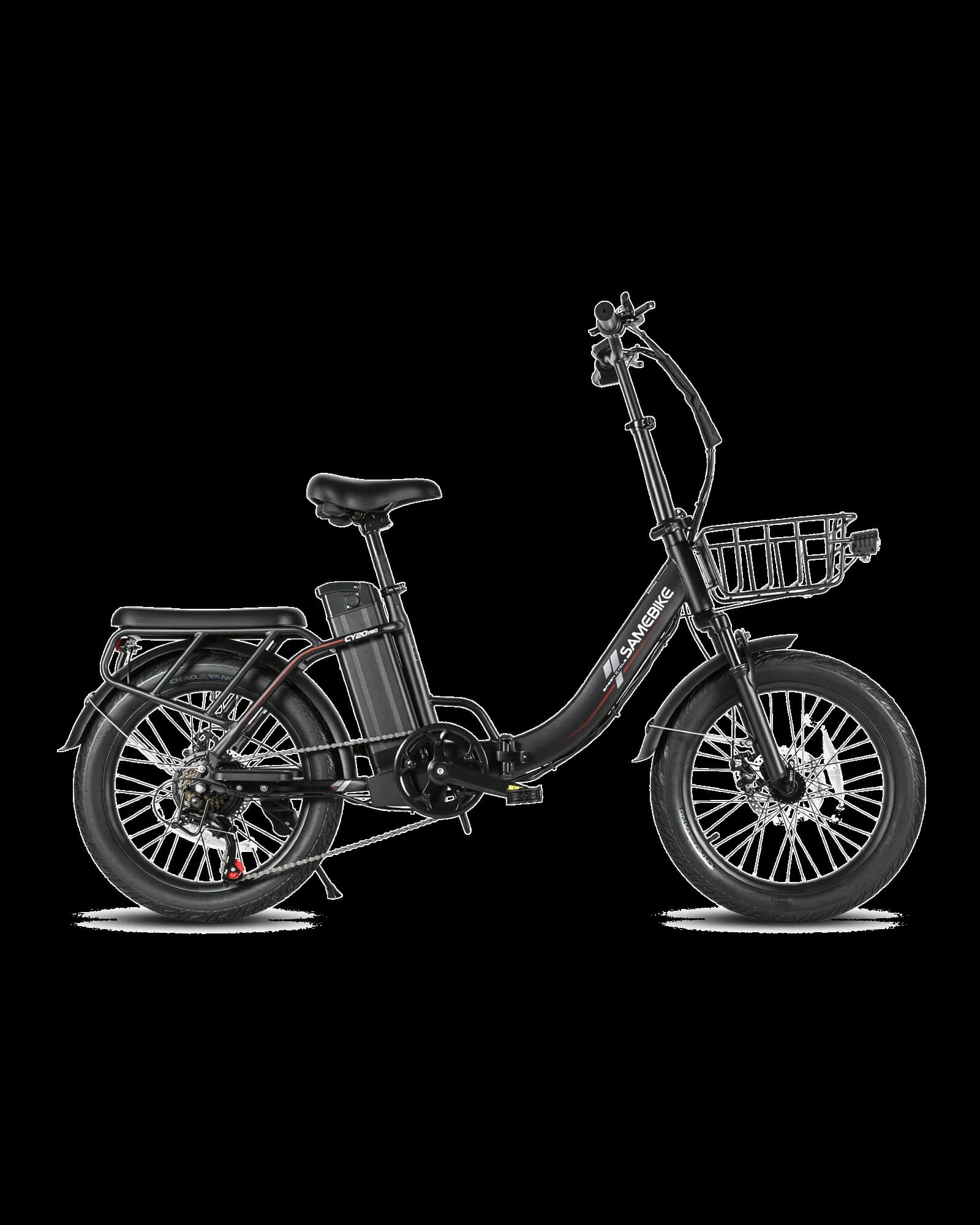 Off-road only
CY20
Folding 20-inch e-bike with a basket and rack — off-road use only
£479In stock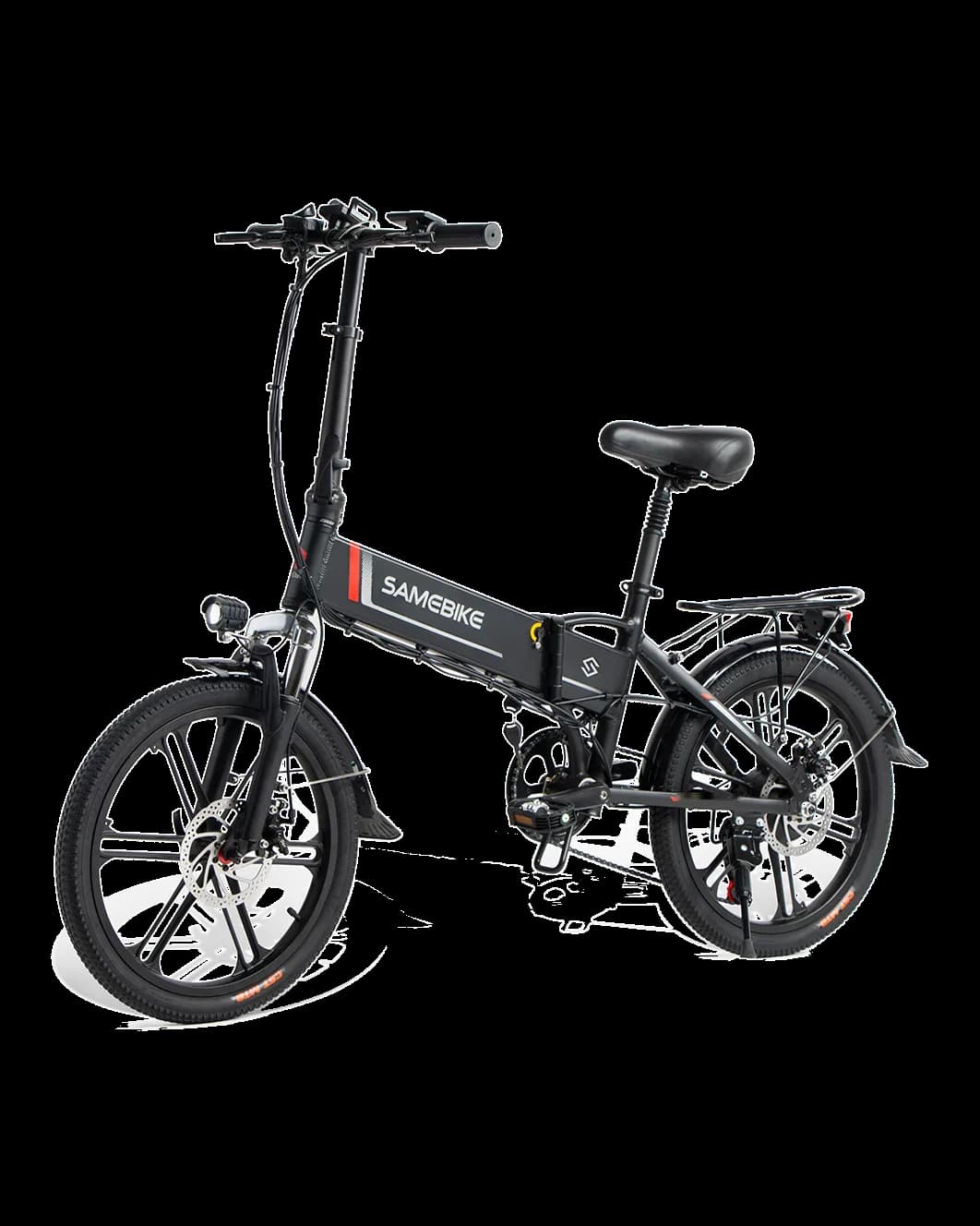 Off-road only
20LVXD30-II
Lightweight aluminium 20-inch folder — off-road use only
£499In stock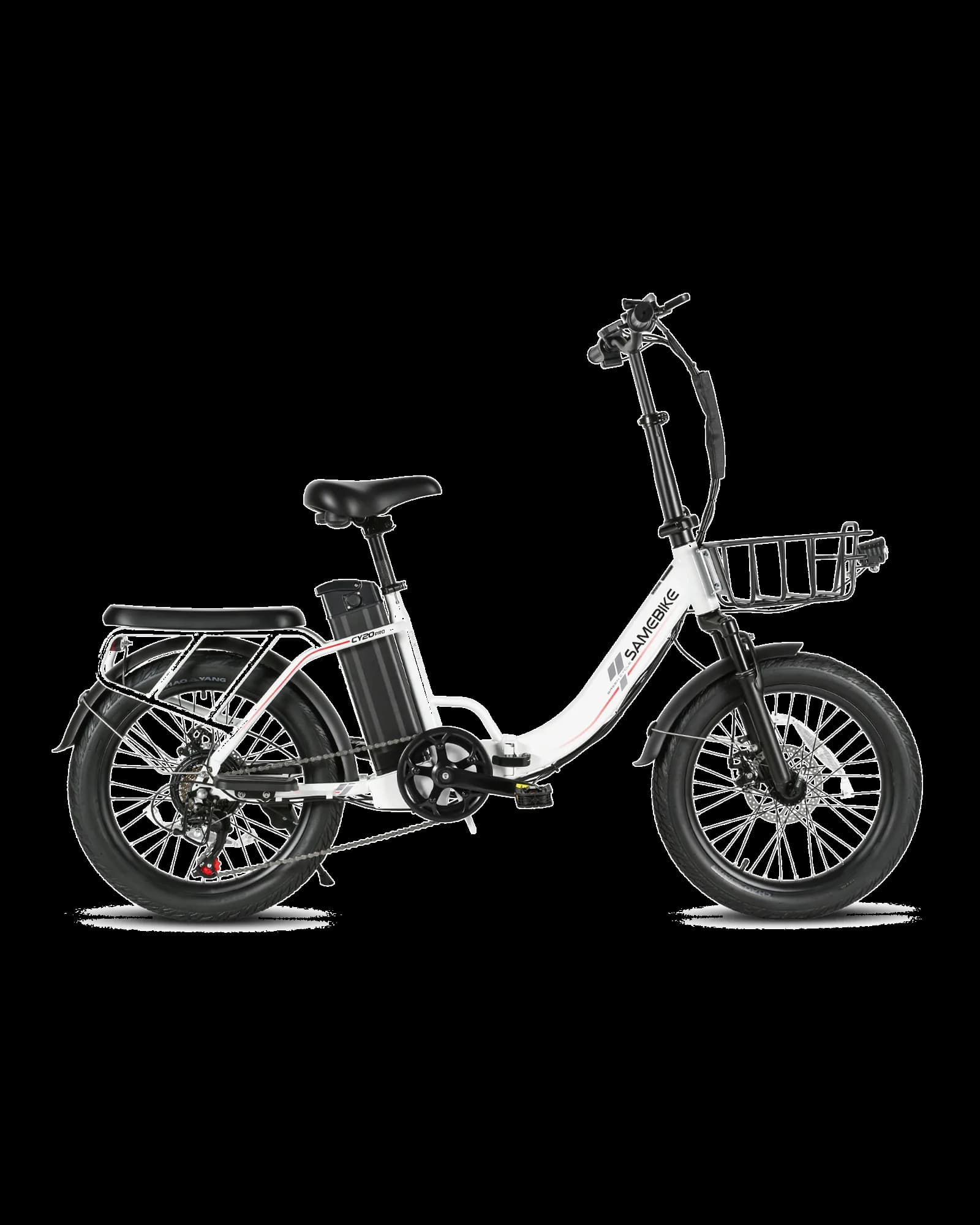 Off-road only
CY20 Pro-FT
Folding fat-tyre 20-inch, 500W — off-road use only
£559In stock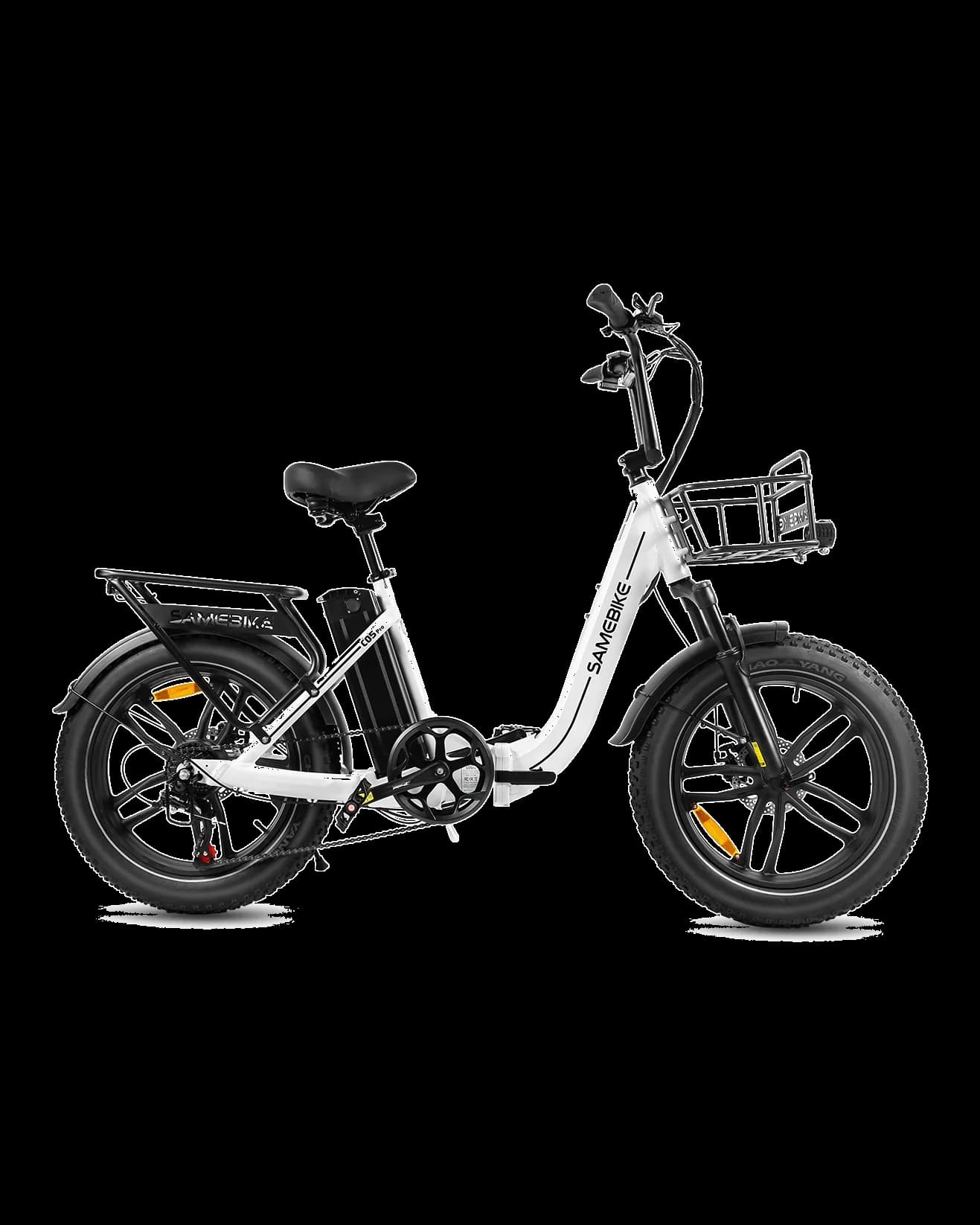 Off-road only
C05 Pro
Folding 4-inch fat-tyre with a lock-out fork — off-road use only
£659Low stock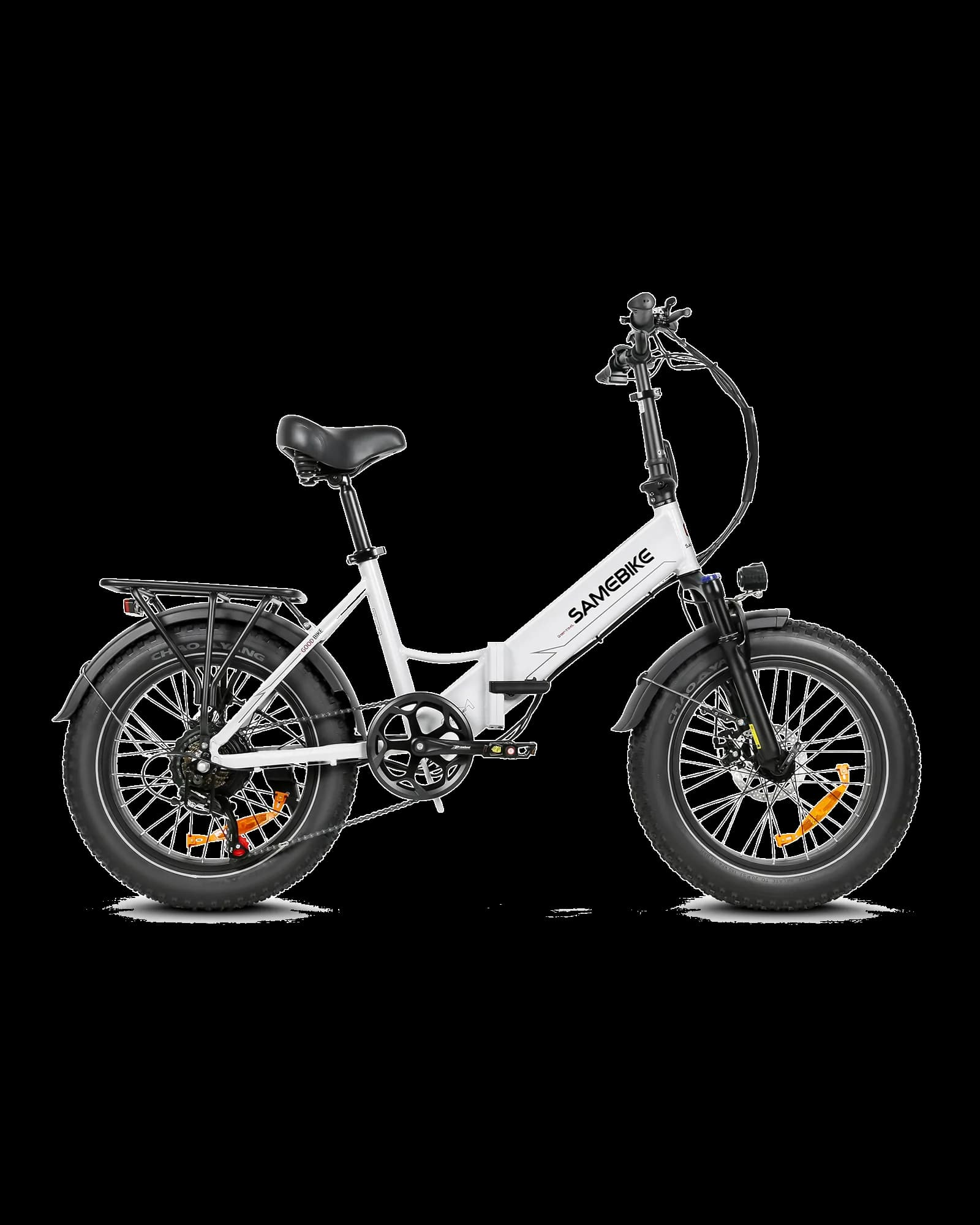 Off-road only
LOTDM200-II
750W folding fat-tyre with NFC keyless start — off-road use only
£659In stock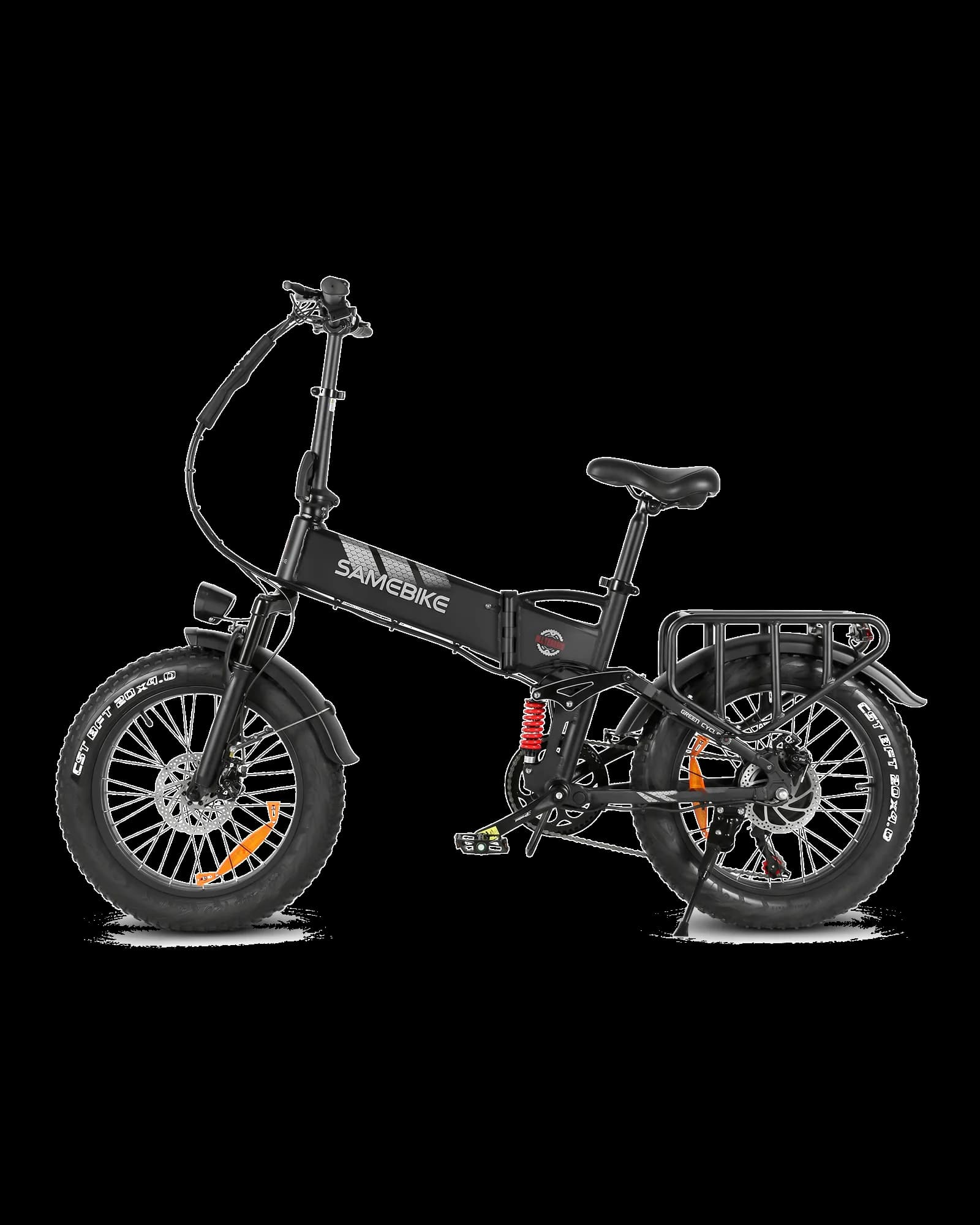 Off-road only
RS-A02 Pro
1000W folding fat-tyre — off-road use only
£759In stock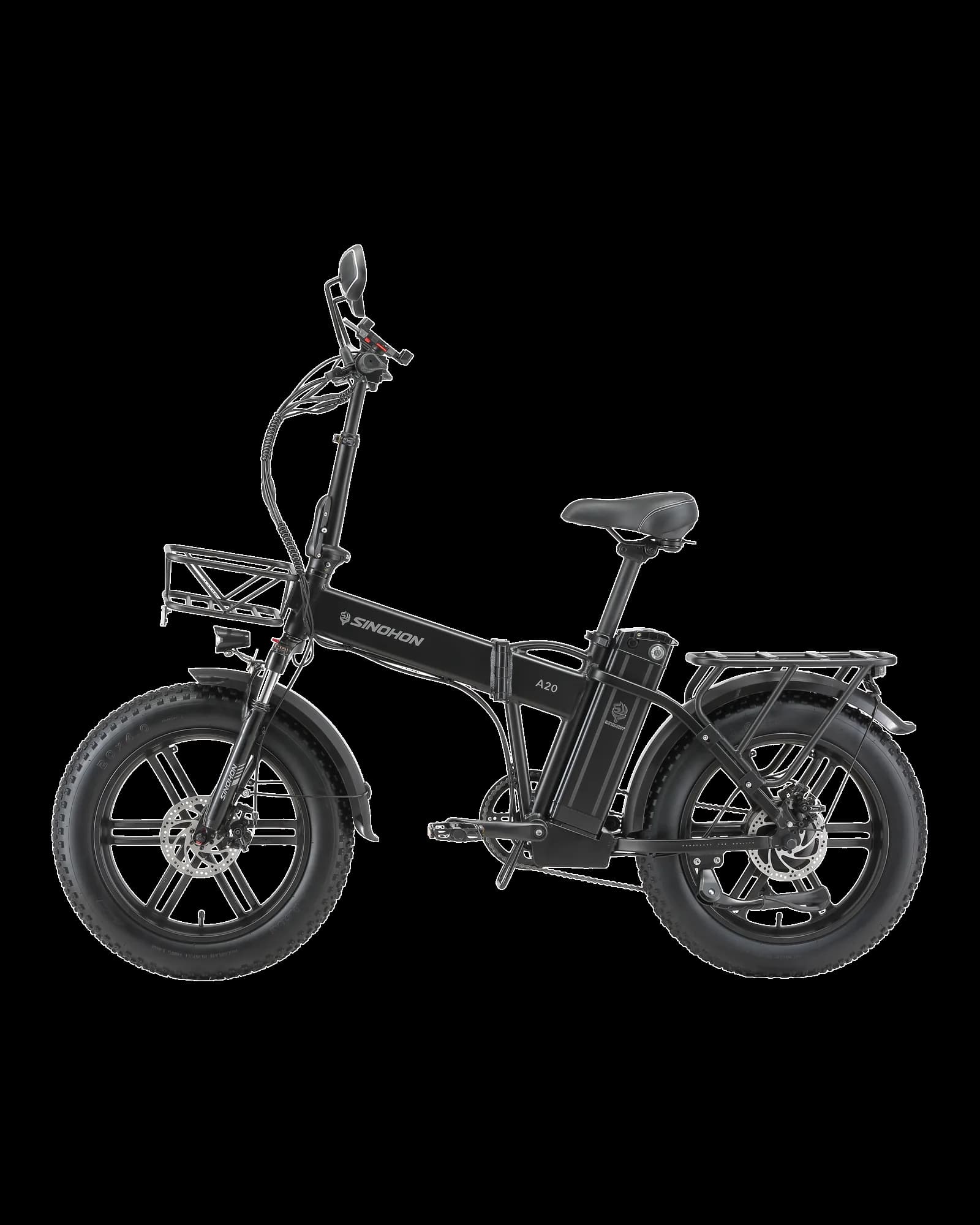 Off-road only
A20
Folding 20-inch fat-tyre e-bike with a 1,056Wh battery — off-road use only
£949In stock
- Bikes
- 11
- UK road legal
- 2 of 11
- Price
- £479 to £1,699
- Wheels
- 20-inch, all bikes
Who a folding e-bike suits
A folding e-bike is for the ride that has a train, a car boot or a narrow hallway somewhere in it. Folded, a 20-inch bike stands roughly a metre long and half a metre tall, which fits behind a sofa, in a flat with no bike store, or across the back seats of a small car. Unfolded it rides like any other small-wheeled bike, with the fat tyres taking the edge off kerbs and potholes.
Be realistic about weight. A fat-tyre folder with its battery fitted weighs somewhere between 25 and 35 kilograms. It folds to fit, not to carry: lifting one into a boot is fine, carrying one up three flights of stairs every day is not. If stairs are part of your routine, look at the lightest bike in the range and take the battery out before you lift.
What to look for
Battery capacity in amp-hours is the number that decides range, more than the headline distance in the listing. Thirteen amp-hours at 48 volts is a sensible middle; ten is fine for short hops; fifteen or more is for long commutes and hills. Whatever the figure, plan around two-thirds of the quoted range, because manufacturers measure on flat ground with a light rider and the assistance turned down.
For commuting, a rack and mudguards fitted from the factory save you buying them later, and on the heavier bikes hydraulic disc brakes are worth having over mechanical ones. Check the spec table on each product page: it lists the motor, battery, brakes and gears in the same order for every bike, so two bikes are easy to compare side by side.
What the price bands buy
Under £500 buys a capable folder with a smaller motor and a ten to twelve amp-hour battery, sold for private land. Between £500 and £1,000 the batteries grow, brakes improve and the range includes our cheapest road-legal folder. Above £1,000 you are paying for full suspension, larger batteries and the flagship road-legal model. The grid above shows the current price of every bike, and none is ever priced below the floor its maker sets.
Riding on the road
UK law allows an electric bike on the road without a licence, tax or insurance only if its motor is rated at 250 watts or less and its assistance stops at 15.5 miles per hour. Some of the folders here meet that and are stamped UK road legal. The rest are more powerful, are sold for private land only, and are stamped off-road only on their card and product page. The stamp is the first thing on each card, before the price, so you never have to work it out yourself. Our guide to UK electric bike law explains the rules in full.